How to Choose Barcelona Luxury Tours That Fit Your Style
Luxury travel in Barcelona is less about adding a famous name to an itinerary and more about shaping the days around how you like to move, eat, learn and unwind. The city rewards good planning. A well-chosen tour can turn a crowded landmark into a calm, detailed visit, while a poor fit can feel rushed despite premium wording. Start with the experience you want, then work backward to the format, route and level of service.
Start with the purpose of the day
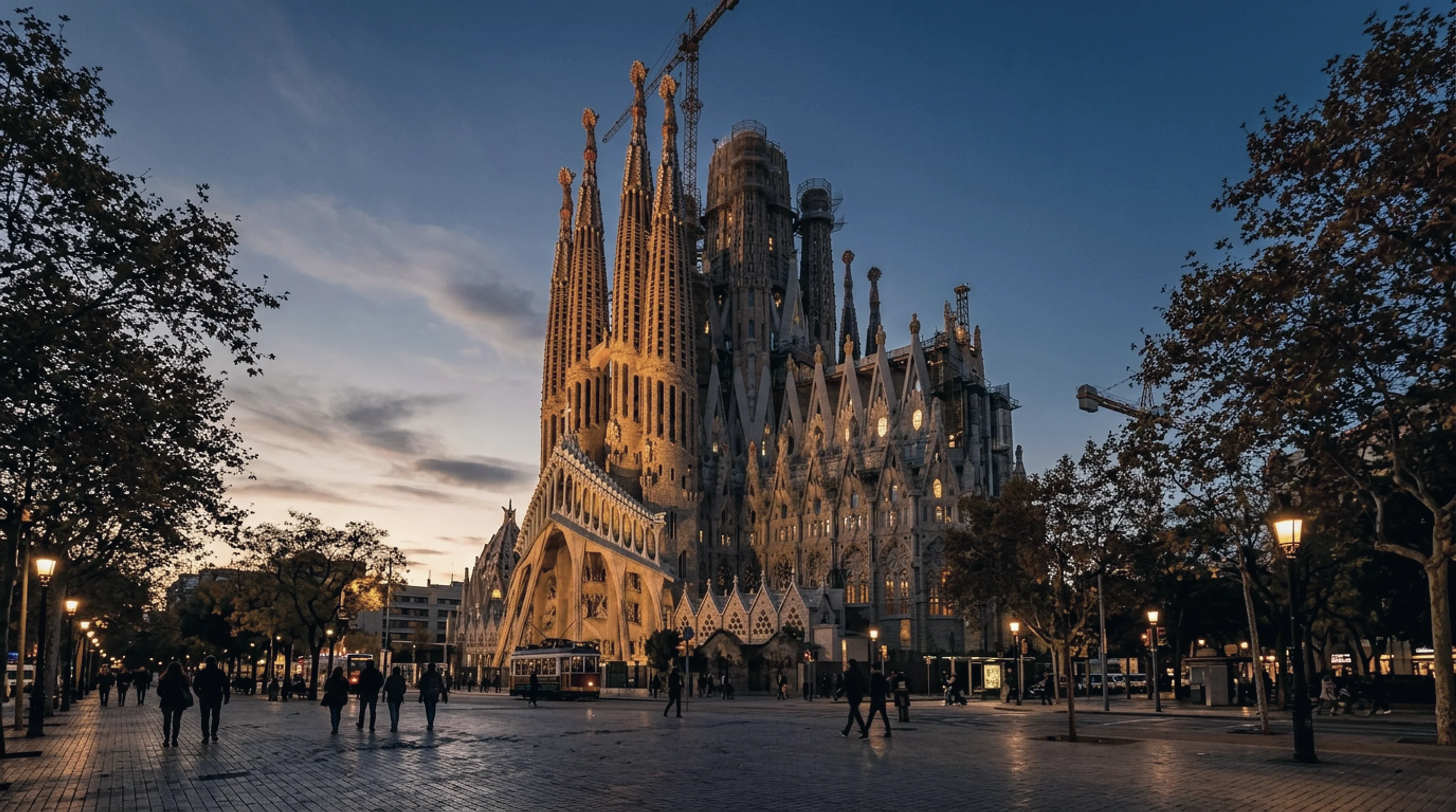
Before comparing itineraries, decide what the tour needs to achieve. Some visitors want a smooth introduction to the city: Gaudí architecture, the old streets of the Gothic Quarter, a harbour view and a clear sense of how the districts connect. Others want depth, such as exclusive museum tours with time to study a collection away from the busiest periods. Food focused travellers may care more about Michelin-starred dining or private wine tastings than about ticking off landmarks.
Write down one main goal and one secondary goal. If the main goal is architecture, the day should give enough time at each building and avoid a long list of stops. If the main goal is food, the route should leave room for a proper meal rather than squeezing in tastings between photo stops. This first decision makes later comparisons much easier, because two tours can sound similar while serving very different interests.
Decide how private the experience should feel
Privacy is one of the main reasons travellers look at barcelona luxury tours, but it means different things. A small group can still feel refined if the pace is calm and the guide has room to answer questions. A fully private format gives more control over timing, language, pick up arrangements and the balance between planned stops and free time. It also tends to suit families, mixed age groups and travellers who want to linger somewhere without feeling they are holding everyone back.
Check the size of the group, the style of the vehicle and the amount of time spent together. A premium label is not enough if the day is built like a standard sightseeing route with a shorter queue. Ask whether the itinerary is fixed or shaped around interests, and whether there is time built in for coffee, a shop, a quiet viewpoint or an unplanned detour. That flexibility often matters more than decorative extras.
Match the route to your energy and schedule
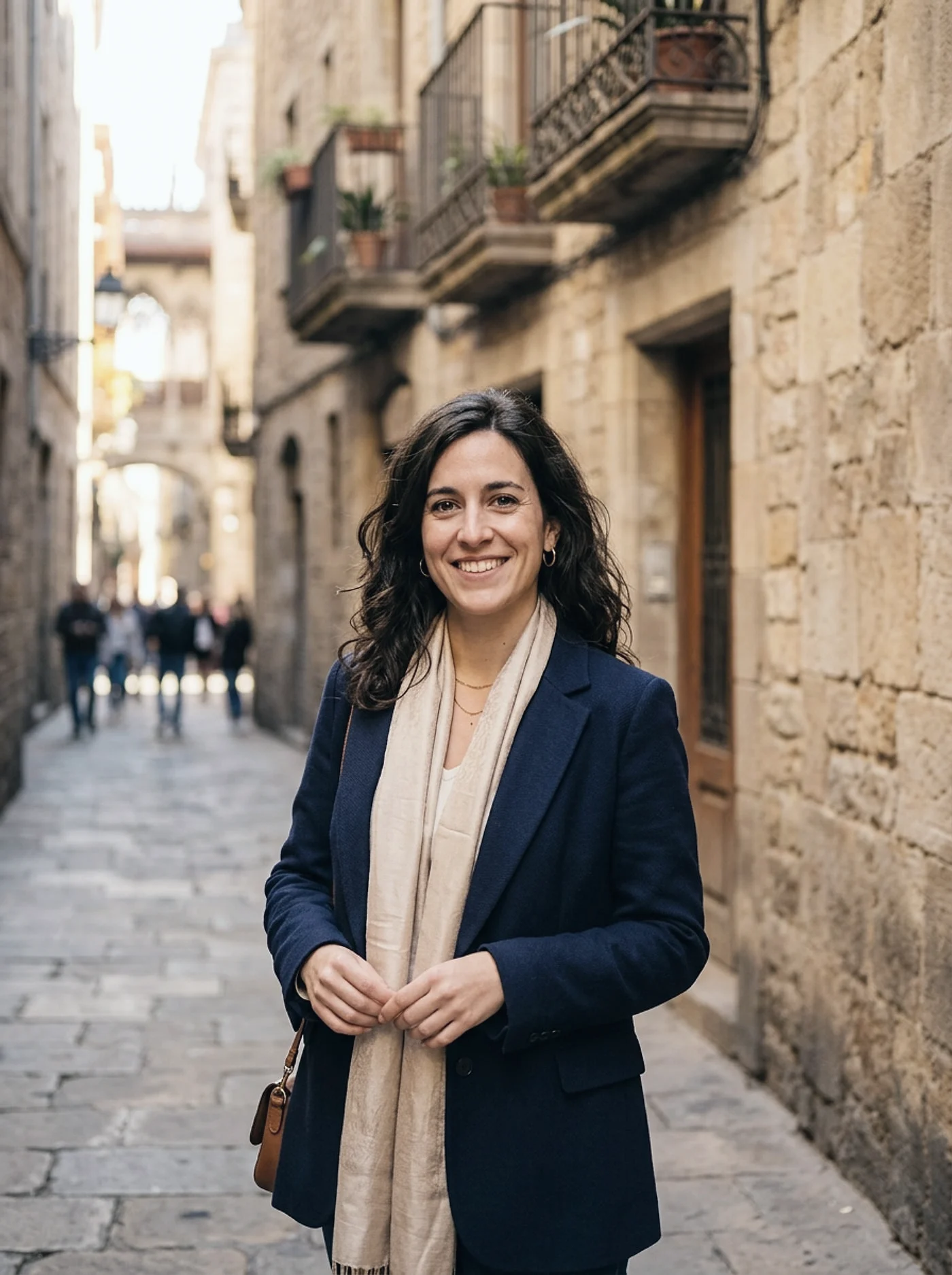
Barcelona is compact in some ways and tiring in others. Heat, hills, busy pavements and long meal times can change how a day feels. Look at the route as a sequence, not a list of famous names. If it crosses several districts, check how transfers are handled and where breaks fall. A morning that starts in the old city and ends near the water can work well, but only if the middle of the day is not packed with standing time.
The best private city tours barcelona options usually make the city feel manageable. They group nearby stops, avoid needless backtracking and leave space between intense visits. For a first visit, a broad city introduction may be sensible. For a repeat visit, a narrower theme can feel more rewarding, such as modernist interiors, hidden courtyards, markets, or design shops.
Time of day is part of the match. Early starts can give a calmer feel at popular sites. Later starts suit travellers who want a relaxed breakfast or a previous evening out. Evening routes can be attractive for harbour views, dining and lit architecture, but they may offer less detail indoors. Choose the slot that fits your natural rhythm rather than forcing a full day into a short window.
Compare the quality of the guiding
A luxury tour lives or dies on the guide. The right person does more than recite dates. They connect buildings to the city around them, adjust the level of detail, read the group and know when to pause. Look for descriptions that explain the guiding style and subject knowledge. Generic promises about a memorable experience are less useful than a clear focus on architecture, history, food, art or local life.
Language matters too. If the tour is marketed in English, confirm that the full experience is conducted in the language you expect, not just the booking page. For mixed language groups, a private format can remove the awkwardness of translation and let conversations flow naturally.
Good guiding also includes practical judgement. A strong plan should know when a street is crowded, when a site is best visited, and how to keep a day comfortable without making it feel overmanaged. Ask how the route adapts if a landmark is closed, a restaurant changes a booking, or the group wants more time in one place. Clear answers point to a service built around real travel conditions.
Look closely at what is included
Inclusions are where expectations often drift. Read the itinerary line by line and separate what is reserved from what is merely suggested. Entry tickets, tastings, meals, transport and hotel collection may be included, excluded or available as additions. None of these is automatically better in every case. The key is knowing what the day actually contains so there are no awkward gaps.
For food and wine, check whether tastings are seated or standing, whether a full meal is part of the plan, and whether dietary needs can be handled with care. For architecture, check whether interiors are entered or only viewed from outside. For art, check whether a specialist guide is part of the experience or whether the visit is general. Small details like these decide whether the tour feels tailored or simply well advertised.
Transport deserves the same attention. Luxury vehicle upgrades can make a day smoother, especially when combining districts or travelling with luggage, older children or anyone who prefers fewer long walks. Still, a car is not always an advantage in the old centre, where narrow streets and traffic can slow progress. A route with short walks and well-timed transfers may feel better than constant vehicle movement.
Choose extras that add value, not clutter
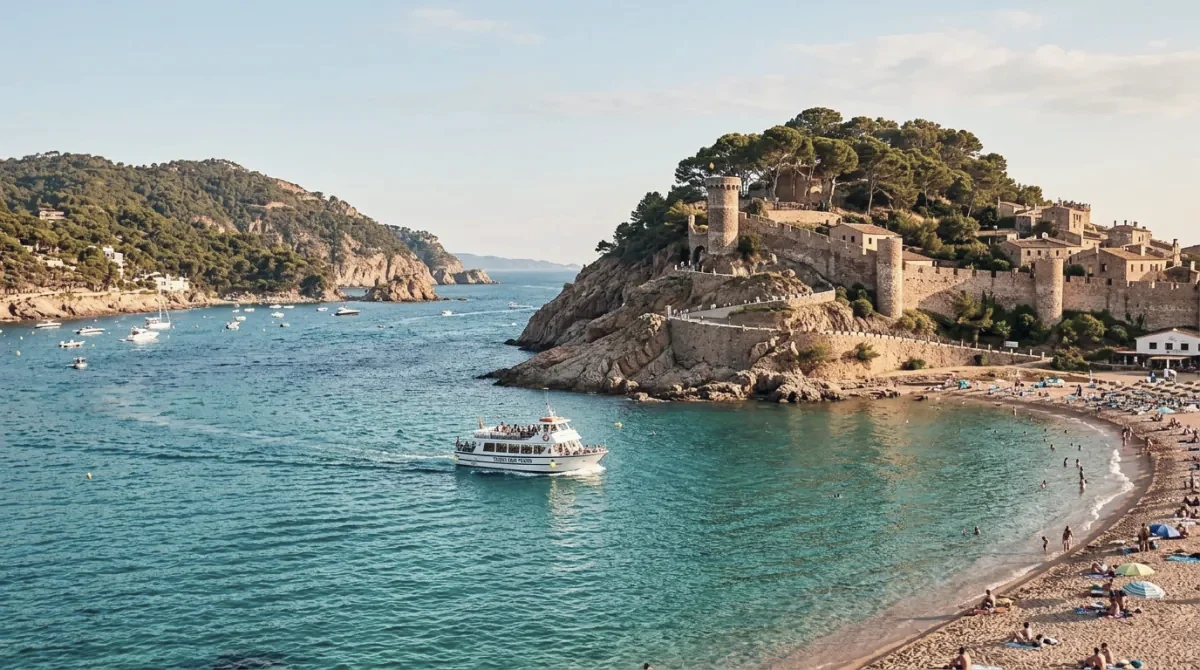
It is tempting to stack a day with as many premium features as possible. That can lead to a schedule that feels busy rather than special. Pick extras that deepen the theme of the day. If architecture is central, a specialist interior visit may be worthwhile. If the coast is the theme, yacht harbour cruises can add a different view of the city. If the trip marks a celebration, a private dinner or a rooftop setting may matter more than another museum.
Some options suit particular travellers better than others. helicopter city tours can offer a striking overview, but they depend on weather and may not suit people who dislike early boarding procedures or short flights. penthouse apartment visits can be memorable for design lovers, but they should be approached with respect for privacy and clear expectations about what is being shown. bespoke shopping experiences work best when the buyer has a real interest in fashion, jewellery, food or design, rather than a vague wish to browse.
The aim is coherence. A day with two deep experiences and a relaxed break often feels more luxurious than six stops packed into a few hours. Leave room for the city itself, especially in places where the walk between stops can be as enjoyable as the destination.
Check logistics before committing
Once an itinerary feels right, move to the practical points. Confirm the meeting place, start time, duration and end point. Check whether hotel collection is available and how the return is handled. If the tour ends somewhere different from where it began, make sure that fits the rest of the day. Travellers staying outside the centre should pay close attention to travel time before and after the tour.
Ask what happens if plans change. Weather, closures and transport disruption can affect even polished itineraries. A good plan should offer a sensible alternative, not just a vague promise to be flexible. If tickets or reservations are part of the day, check the conditions that apply to changes. Clear information at this stage prevents confusion later.
Also consider the pace of the wider trip. A rich tour followed by a late dinner and an early flight may be too much. Pair demanding days with lighter ones. If several premium experiences are planned across a short stay, give each one room to breathe. Barcelona has enough variety that trying to include everything usually weakens the whole trip.
Read the small print with a calm eye
Professional providers are clear about what they can and cannot promise. Look for plain explanations of the itinerary, inclusions, exclusions and conditions. Be cautious of wording that implies guaranteed access to places where access depends on availability. The same caution applies to restaurant claims, private entry and unusual venues. If something sounds too specific to be routine, ask how it is arranged.
Reviews can help, but read them for patterns rather than a single glowing comment. Repeated praise for pacing, communication and knowledge is more useful than vague excitement. Repeated complaints about unclear meeting points or rushed stops deserve attention. A tour can have a beautiful concept and still fail if the daily execution is weak.
The final choice should feel simple: the route matches your interests, the level of privacy suits your group, the guiding has substance and the logistics support the day. When those pieces line up, barcelona luxury tours stop being a category to compare and become a well-shaped experience that fits the way you want to see the city.